
Your cart is currently empty!
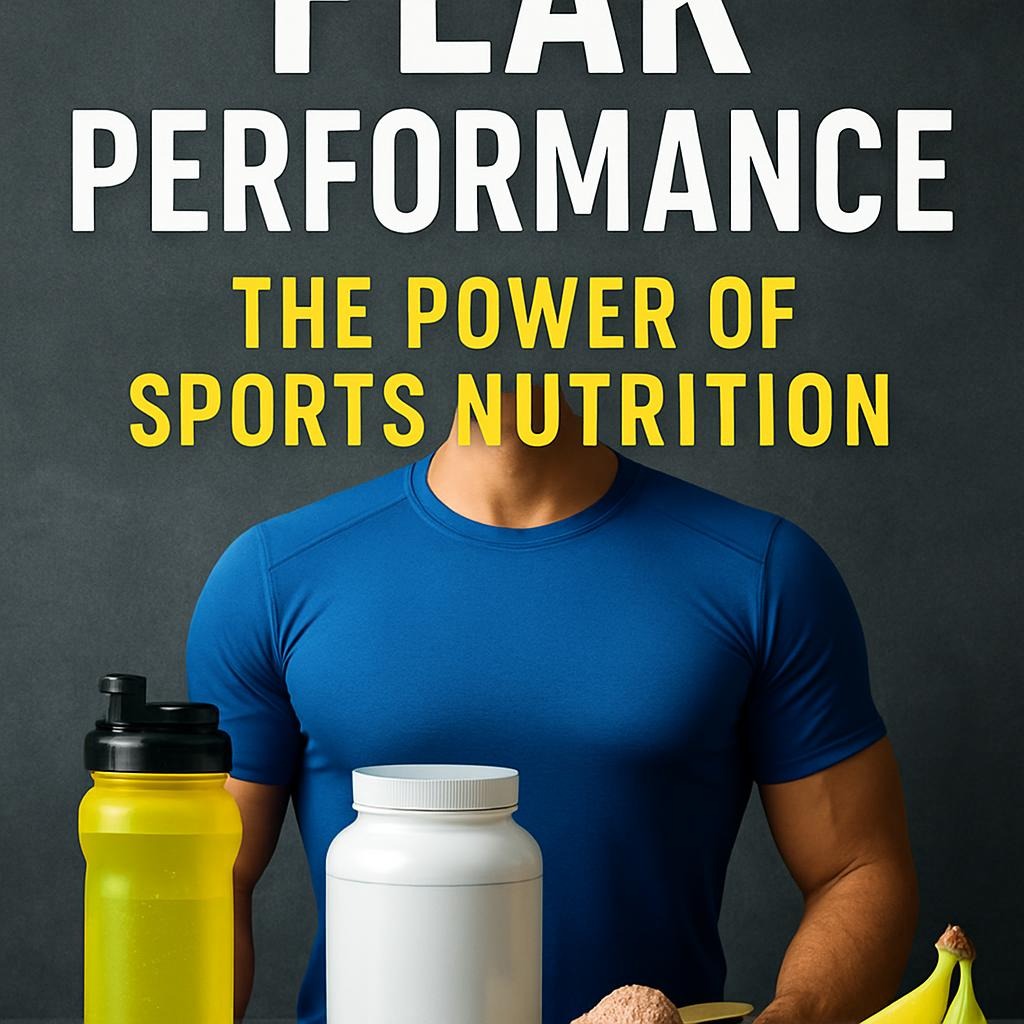
Every athlete, from the weekend warrior to the elite professional, strives for one thing: peak performance. It’s that sweet spot where your body and mind work in perfect harmony, allowing you to push harder, run faster, and recover stronger. While training and genetics play crucial roles, the true game-changer is often found not on the track or in the gym, but on your plate. The foundation of achieving and sustaining your best is a solid nutrition strategy.
Understanding the Basics of Sports Nutrition
Sports nutrition is far more than just counting calories. It’s the science of fueling your body with the right nutrients, at the right times, to optimize athletic performance and recovery. Think of your body as a high-performance vehicle. You wouldn’t put low-grade fuel in a race car and expect it to win; the same principle applies to your body. Proper nutrition provides the essential building blocks for energy, muscle repair, and overall physiological function.
The Three Pillars of Athletic Fuel
A successful sports nutrition plan is built on three macronutrients, each serving a unique and vital purpose:
- Carbohydrates: The Primary Fuel Source. Carbs are your body’s preferred source of energy, especially during high-intensity exercise. They are stored as glycogen in your muscles and liver, ready to be tapped for power. A diet lacking in carbohydrates can lead to early fatigue and poor performance.
- Protein: The Building Blocks for Recovery. Protein is essential for repairing and rebuilding muscle tissue that is broken down during training. Consuming adequate protein supports muscle growth, enhances recovery, and helps you come back stronger for your next session.
- Fats: The Sustained Energy Reserve. Healthy fats are a crucial source of energy for longer, lower-intensity activities. They also support hormone production and joint health, making them a key component of a balanced athletic diet.
The Critical Role of Timing and Hydration
What you eat is important, but when you eat can be just as critical. Strategic nutrition timing involves fueling your body before exercise for energy, during prolonged activity for endurance, and after exercise for optimal recovery. This includes consuming a mix of carbs and protein within the “recovery window” post-workout to replenish glycogen stores and kickstart muscle repair. Coupled with this is hydration. Water regulates body temperature, lubricates joints, and transports nutrients. Dehydration, even at mild levels, can severely diminish performance and focus.
Building Your Personalized Nutrition Plan
There is no one-size-fits-all approach to sports nutrition. Your ideal plan depends on your sport, training intensity, body composition goals, and individual metabolism. The key is to view food as fuel and your diet as an integral part of your training regimen. By paying attention to how different foods make you feel and perform, you can tailor your intake to unlock your full potential.
In conclusion, reaching your peak performance isn’t just about the hours you log in training. It’s about strategically supporting that hard work with intelligent nutrition. By making informed choices about what you eat and when you eat it, you empower your body to perform at its absolute best, recover more efficiently, and achieve your athletic goals.
Leave a Reply