
Your cart is currently empty!
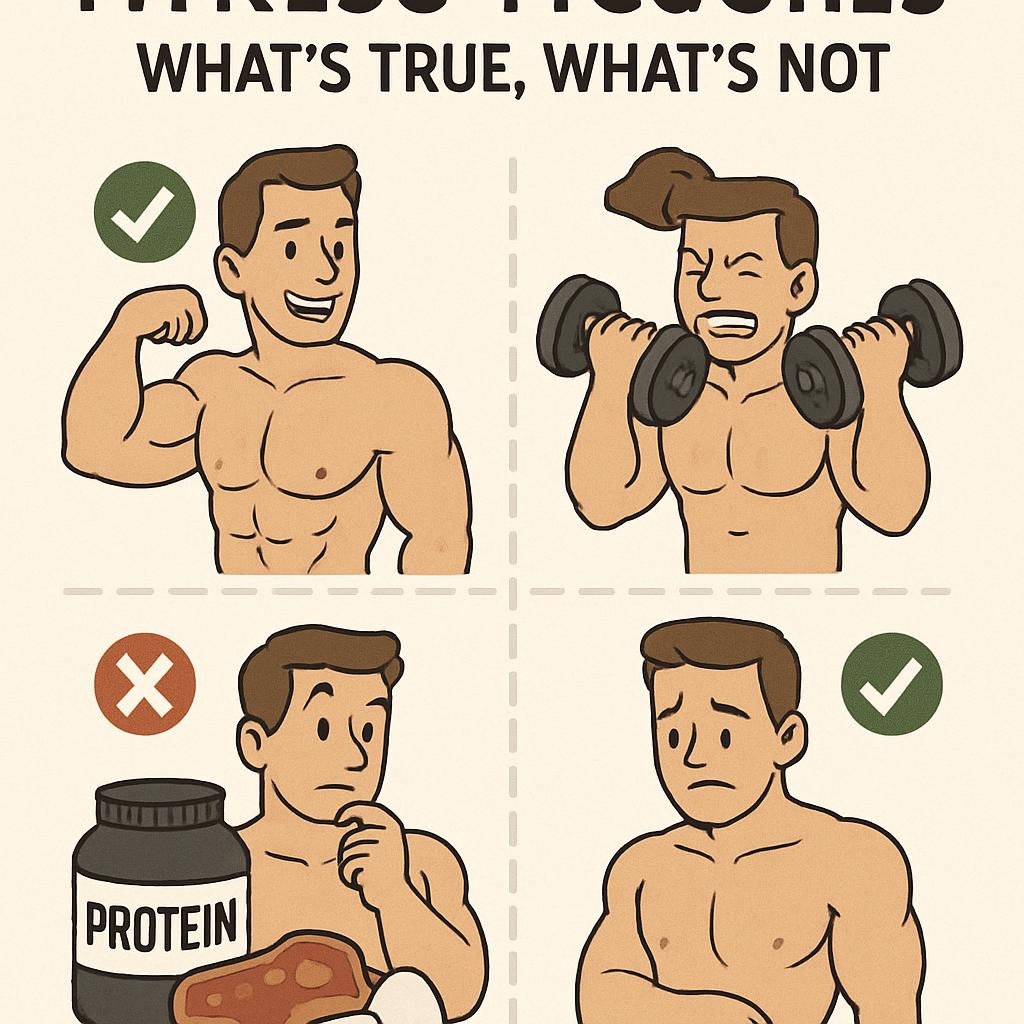
Navigating the world of health and muscle building can feel like walking through a minefield of conflicting advice. One day, a certain exercise is the ultimate solution; the next, it’s labeled as dangerous. How do you separate fact from fiction to build a physique that is both strong and sustainable? It’s time to clear the air and debunk some of the most common muscle myths, so you can focus on what truly works for your fitness journey.
Myth #1: Lifting Weights Makes You Bulky
The Truth: This is one of the most persistent fears, especially among women. The reality is that building massive amounts of muscle is a very slow, calorie-surplus-driven process that requires intense dedication. For most people, lifting weights simply leads to a toned, defined, and metabolically active physique. Incorporating strength training into your fitness routine is crucial for bone density, fat loss, and functional strength. You will not accidentally wake up looking like a bodybuilder.
Myth #2: You Can “Spot Reduce” Fat
The Truth: Wouldn’t it be nice if a thousand crunches melted away belly fat? Unfortunately, your body doesn’t work that way. Spot reduction is a myth. When you lose fat, you lose it from all over your body in a pattern determined largely by genetics. The most effective path to losing fat from any specific area is a full-body approach. This means a consistent fitness plan that combines strength training to build muscle all over and a caloric deficit through nutrition and cardio. You can strengthen a specific muscle group, but the fat covering it is lost through overall fat loss.
Myth #3: More Protein Equals More Muscle
The Truth: Protein is absolutely essential for muscle repair and growth, but there is a limit to how much your body can use. Consuming excessive protein won’t automatically translate into more muscle; the excess will simply be stored as fat or used for energy. Muscle growth is stimulated by the combination of progressive overload in your training and adequate protein intake spread throughout the day. Your ideal fitness nutrition plan should be balanced, with protein working in concert with carbohydrates and healthy fats to fuel your efforts and recovery.
Your Path to Smarter Training
Understanding the truth behind these myths empowers you to train smarter, not just harder. A well-rounded fitness strategy is not built on extremes but on consistency, proper technique, and evidence-based practices. By letting go of these common misconceptions, you can build a more effective, efficient, and enjoyable routine that delivers real, lasting results for your health and muscle-building goals.
Leave a Reply