
Your cart is currently empty!
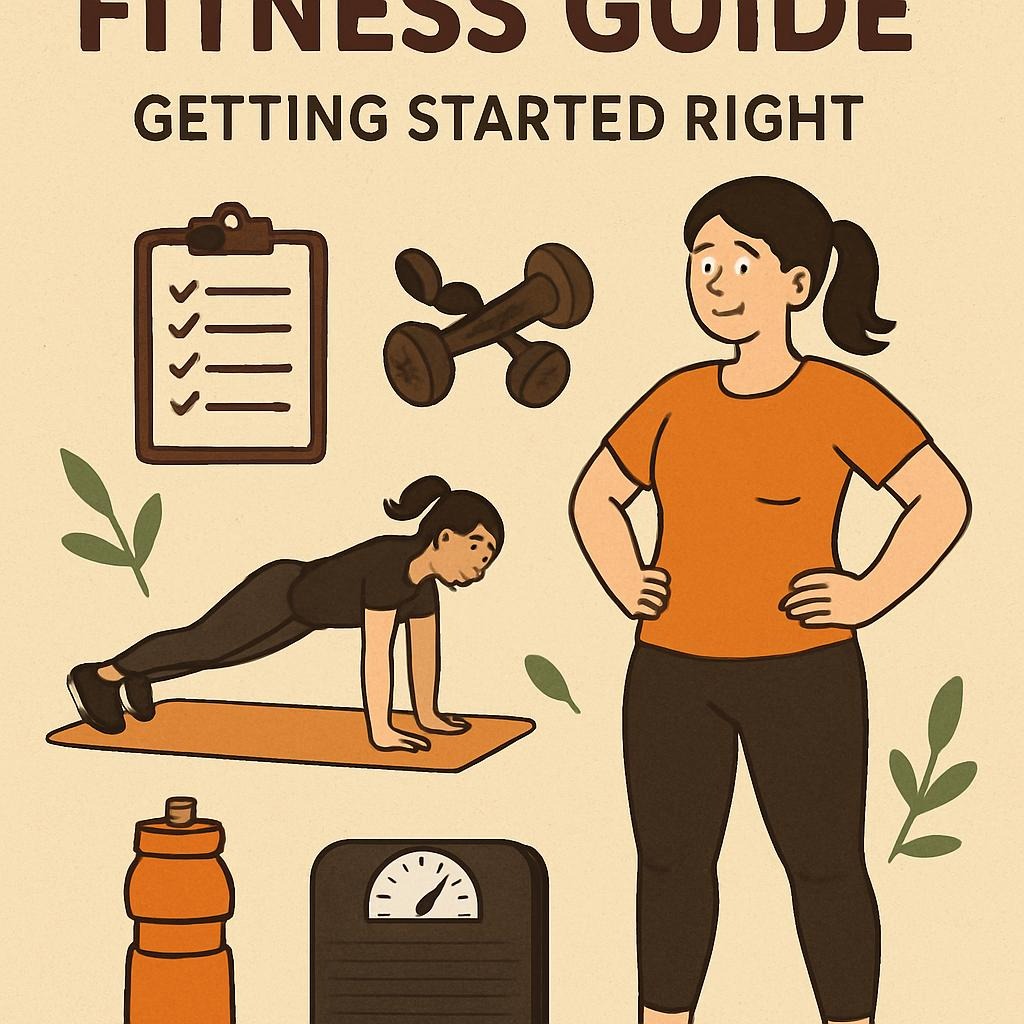
Embarking on a new fitness journey can feel overwhelming, but with the right approach, you can set yourself up for success. This Beginner’s Fitness guide is designed to help you build a strong foundation, avoid common pitfalls, and develop habits that last. Remember, every expert was once a beginner, so embrace this exciting start!
Understanding Beginner’s Fitness
Beginner’s Fitness is all about starting slow, focusing on consistency, and learning the basics. It’s not about pushing yourself to the limit on day one; instead, it’s a gradual process where you build strength, endurance, and confidence. As a beginner, you might feel unsure where to begin, but that’s normal. The key is to define what Beginner’s Fitness means for you—whether it’s losing weight, gaining muscle, or improving overall health. By setting clear intentions, you can tailor your approach to fit your lifestyle and goals.
Setting Goals for Your Beginner’s Fitness Journey
Before you hit the gym or start a home workout, take time to set realistic goals. In Beginner’s Fitness, goals act as your roadmap, keeping you motivated and on track. Start with small, achievable targets, like walking 30 minutes a day or doing bodyweight exercises three times a week. Write them down and track your progress. Remember, Beginner’s Fitness is a personal journey, so compare yourself only to your past self, not others. This mindset will help you stay positive and committed.
Creating Your Beginner’s Fitness Plan
A well-structured plan is crucial for Beginner’s Fitness success. Begin by scheduling workouts into your weekly routine, aiming for consistency over intensity. Include a mix of cardiovascular exercises (like walking or cycling), strength training (such as squats or push-ups), and flexibility work (like stretching or yoga). As you develop your Beginner’s Fitness plan, listen to your body—rest days are just as important as active ones. This balanced approach prevents burnout and reduces injury risk, ensuring you enjoy the process.
Essential Exercises for Beginner’s Fitness
When starting out, focus on fundamental exercises that build overall fitness. For Beginner’s Fitness, compound movements like lunges, planks, and light dumbbell rows are excellent choices. They engage multiple muscle groups, making your workouts efficient. Always prioritize proper form over speed or weight; consider working with a trainer or using online resources to learn techniques. As you progress in your Beginner’s Fitness routine, you can gradually increase intensity, but never sacrifice safety for results.
Nutrition and Beginner’s Fitness
Your diet plays a vital role in supporting your Beginner’s Fitness efforts. Fuel your body with balanced meals rich in protein, carbohydrates, healthy fats, and vegetables. Stay hydrated by drinking plenty of water, especially around workouts. Beginner’s Fitness isn’t just about exercise—it’s about nurturing your body with the right nutrients to recover and grow stronger. Avoid extreme diets; instead, aim for sustainable changes that complement your active lifestyle.
Staying Motivated in Beginner’s Fitness
Motivation can wane, especially in the early stages of Beginner’s Fitness. To stay inspired, celebrate small victories, like completing a workout or feeling more energetic. Find a workout buddy or join online communities for accountability. Remember, Beginner’s Fitness is a marathon, not a sprint—be patient with yourself and adjust your plan as needed. If you miss a day, don’t give up; just get back on track. Your consistency will pay off over time.
Embrace Your Beginner’s Fitness Path
Starting your fitness journey is a brave step, and this Beginner’s Fitness guide is here to support you every step of the way. By understanding the basics, setting goals, and maintaining a positive mindset, you’ll build a healthier, happier you. Keep learning, stay consistent, and remember that Beginner’s Fitness is all about progress, not perfection. You’ve got this!
Leave a Reply